Sabtu, 17 Maret 2012

Unique Bag From Papua


Women on average happy wearing a bag, let alone a famous brand such as Louis Vuitton and Hermes, who used to carry the upper-class women.It also occurs in women of Papua, West Papua, especially with traditional bag called Noken. The bag has a symbol of the good life, peace, and fertility.Noken not be separated from the culture of Papua. You can see people wearing noken everywhere, from the village, in the city, on the highway, up in the woods. This versatile bag. The mama (women) like carrying groceries inside noken. Children and men are also commonly used to store their goods.
In contrast to the bag in general, noken not used by a carried or slung over his shoulder. Papuan people used to use their heads. Perhaps, because of habit, a way I prefer porter sustain our huge backpack on his head like a mountain climber than memanggulnya.Although a simple form, making noken was not easy and takes time. There is a process of collecting materials, processing, up knitting. Knit not just anyone can.Most artisans are women.
Noken a typical craft shaped like a bag of Papua. There are 250 ethnic and language in Papua, but all the tribes have a tradition of handcrafted Noken the same. Noken very diverse functions. However, Noken usually used to carry items such as firewood, crop yields, to the groceries. Noken are usually used to carry small personal needs. Not only that, Noken also used in ceremonies and as a memento for the guests.
Various tribes in Papua and West Papua noken call by various names. Wood used as raw materials also vary. There Manduam tree bark, tree Nawa even forest orchids. There are also of wood or Yangkik Hekel. The skin peeled then dried stalks for 3-4 days. After drying, the stem is selected again by the quality. Good trunk fiber was later taken to be a knitted yarn. Noken nylon yarn and fiber made from the bark is sold with an average price of USD 100 thousand - $ 300 thousand depending on size. Brightly colored nan of this bag into its own peculiarities.
What's interesting about this is the only Noken Papuans are allowed to make Noken. Creating your own Noken once could symbolize the woman's maturity.Because if women can not make Noken papua he can not be considered an adult and it is a requirement for marriage. Noken first made because the tribe of Papua need something that can move goods to other places. But now the women of Papua are rarely able to make Noken but it is an interesting cultural heritage

Jumat, 09 Maret 2012

Koteka and Sali


Papua tribes in Irian Jaya has a uniqueness that is so special customs, language, especially their customary clothing. Clothes custom Irian Jaya, Asmat tribe is koteka usual wear by men who live around the area wamena.Koteka meaningful clothing, comes from Mee . Dani tribe who live in the Baliem Valley, Wamena, Jayawijaya called traditional male clothing by name or Horim holim. Each of the central highlands indigenous tribes have their own name.

       
Koteka made from plants whose fruits are somewhat similar to a cucumber or a cucumber plant. But the fruit koteka rather long. Is rather precise Bangkali leather mini pumpkins and large (Lagenaria siceraria), after the fruit skin aging and skin tersebu are a little harder.


           People call it bobbe Mee. Bobbe is usually planted in the garden or in the yard.The manufacturing process, bobbe learned (usually the elderly) and then inserted into the soft sand. On top of fine sand is made of fire. Once hot the skin soft and it will bobbe will melt, then the seeds of its liquid will come out of the segment bobbe. After that, bobbe hanged (dried) in the fireplace to dry. After drying equipped with a special woven and ready to use as koteka.


Regarding the size and shape koteka nothing to do with the status of the wearer. Size is usually related to user activity, going to work or ceremony. Many tribes there can be recognized from the way they use koteka. Short Koteka use at work, and the length of the decorations used in ceremony.Using to cover the male reproductive organs laki.Use tied to the rope around his waist, traditional clothes only cover the appliance reproduksi.Jadi there can be no another cover for body.Maybe because of this many-skinned tribe papua hitam.However the climate is so hot that no one was so simple custom clothing.
      
Clothing for women was almost equal to his men, they only cover reproductive nya.They dressed like a skirt of dried plant roots in such knitting yarn coarse yarn made as a subordinate or skirts that cover their bodies.


Asmat tribe of bare-breasted women as men .They used to it so it does not violate the norms of decency as its worth in other areas. In recent years, technological development and modernization of its late entry and influence the culture of the tribe asmat.Hal resulted in fewer and fewer Asmat tribe was using their traditional clothes, now many are wearing shirts and jeans like many people in the world.
       
Actually this was a good impact because of the clothes that cover their bodies will impact the risk reduce disease.But behind it all there are Things in the which should pity as Irian Jaya uniqueness of the traditional dresses can not be replaced

Sabtu, 03 Maret 2012

The history Of Papuan Mummies


Most people in the world interpret’s Egypt with the mummies, because the history of the mummies of Pharaoh in Egypt. However, Papua mummy also has a long history in the life of indigenous people of Papua.
In a research conducted in the late 1980s until the early 1990s, have been found seven mummies ini Jayawijaya Regency and Regency Yahukimo. Seventh mummy is located at:
(a) Kurulu sub-district, north of City of Wamena 3 mummies;
(b) Assologaima sub-district, west of Wamena 3 mummies;
© sub-district Kurima-District Yahokimo, a mummy. This is the only female mummy.
From the seventh mummies, the mummies Werupak Elosak only in the Village and Aikima mummy Wimontok Mabel in the Yiwika Village – Kurulu sub-district – Jayawijaya District has been known that the tourists, both domestic and overseas who visit the Jayawijaya district, because the indigenous communities to open opportunities to the people outside to eyes. But to see the mummies, mummies, and the tourists have to pay.


In addition to honor service during his life, Werupak corpses’s had made mummy , Werupak own request that his preserved corpse.
This is different from the Wimontok Mabel’s mummy. He was a chieftain. Wimontok war continue to have meaning. Because during his life he was head of the tribe of the war strategy experts. Wimontok died due to old age and give testament to his family that his Jasad preserved. In terms of size, the mummy is rather smaller Weropak. However, conditions are still better.
Every five years the ceremony was held for the customary roll neck in a kind of necklace Wimontok. Ceremony, along with cutting pork. And the fat of pigs to be smeared all over the mummy’s body. From necklaces have obtained the approximate age of mummy, which is about 382 years.
The mummy is made with the sacred ritual. Followed by evaporation corpse for three days continuously. After a mummy, further treatment by the men only. Because according to local custom, women touch will make mummify become damaged and cause havoc for the woman and the surrounding environment. Mummies are only placed in a wooden box and stored in pilamo, custom house special men.
Not all the dead bodies or corpses are allowed to be or become mummy. Only that gave any services to the tribes, such as the tribe or commander in the war that allowed indigenous mummify.
Economic value


Sabtu, 25 Februari 2012

Traditions are difficult to find

In Papua, eat Pinang is a tradition that has family values, solidarity, and freedom of expression. Menginang reflect the culture of equality, a sense of kinship, and sufferer. Unlike the cigarette to the health of self and others, but even more exist on growing tobacco smoked, the tradition of eating nuts is now threatened, as he began to be regarded as reckless behavior, not the direction things shiny and modern department. Betel nut is not the product of industry, nor a part of the metropolis lifestyle. He is a populist tradition of social life, always there in the middle of the village meetings, traditional events, and a daily consumption in all social classes 


Almost all people, from children to the elderly, are still running the tradition of eating nuts while doing everyday activities.
Our brothers in the eastern end of Indonesia enjoys is eating betel nuts as a snack or suck on candy. There is also enjoying it with a mixture of betel nut and lime.
Usually they use the gear nut peel to meet fruit, betel dip into powdered chalk, and ate together. Want to know the sensation of taste? Hmm ... quite unique, the combination of spicy and bitter.
Papuans also believe, nut consumption is 2-3 times a day can strengthen teeth and gums. They believe that the nut is more powerful than any kind of toothpaste.Evidently, in Papua many elderly people who still have teeth
 
and gums strong.

Until recently, eating nuts as inseparable from the life of the Papuan people, especially residents of coastal areas. Chewing betel nuts in the Raja Ampat of West Papua, commonly referred to as Kakes. In Sumatra and Java, the tradition of eating areca (also called nginang) is only done by the grandmother, and even then now only a few people in remote villages. Dubang (idu brother or saliva red) were stained again now rarely found in rural Java, especially in the middle of a city-nenekpun grandmother was reluctant to wear kebaya and fabric. But in Papua, people will be surprised to see the gallant young children eat nuts while chatting using HP, the students, civil servants, men and women of all ages, even young children and enjoy the nut too greedily. Cultural eating and spitting betel nut in Papua can be seen anywhere. Before or after a meal, a dish that's fun nut
often we find the words "no smoking" everywhere .. but not for in papua .. instead we often find the words "forbidden to eat nuts"...In Papua, eat Pinang is a tradition that has family values, solidarity, and freedom of expression. Menginang reflect the culture of equality, a sense of kinship, and sufferer. Unlike the cigarette to the health of self and others, but even more exist on growing tobacco smoked, the tradition of eating nuts is now threatened, as he began to be regarded as reckless behavior, not the direction things shiny and modern department. Betel nut is not the product of industry, nor a part of the metropolis lifestyle. He is a populist tradition of social life, always there in the middle of the village meetings, traditional events, and a daily consumption in all social classes 

Almost all people, from children to the elderly, are still running the tradition of eating nuts while doing everyday activities.
Our brothers in the eastern end of Indonesia enjoys is eating betel nuts as a snack or suck on candy. There is also enjoying it with a mixture of betel nut and lime.
Usually they use the gear nut peel to meet fruit, betel dip into powdered chalk, and ate together. Want to know the sensation of taste? Hmm ... quite unique, the combination of spicy and bitter.
Papuans also believe, nut consumption is 2-3 times a day can strengthen teeth and gums. They believe that the nut is more powerful than any kind of toothpaste.Evidently, in Papua many elderly people who still have teeth
 
and gums strong.

Until recently, eating nuts as inseparable from the life of the Papuan people, especially residents of coastal areas. Chewing betel nuts in the Raja Ampat of West Papua, commonly referred to as Kakes. In Sumatra and Java, the tradition of eating areca (also called nginang) is only done by the grandmother, and even then now only a few people in remote villages. Dubang (idu brother or saliva red) were stained again now rarely found in rural Java, especially in the middle of a city-nenekpun grandmother was reluctant to wear kebaya and fabric. But in Papua, people will be surprised to see the gallant young children eat nuts while chatting using HP, the students, civil servants, men and women of all ages, even young children and enjoy the nut too greedily. Cultural eating and spitting betel nut in Papua can be seen anywhere. Before or after a meal, a dish that's fun nut 


often we find the words "no smoking" everywhere .. but not for the papua in papua .. instead we often find the words "forbidden to eat nuts"In Papua, eat Pinang is a tradition that has family values, solidarity, and freedom of expression. Menginang reflect the culture of equality, a sense of kinship, and sufferer. Unlike the cigarette to the health of self and others, but even more exist on growing tobacco smoked, the tradition of eating nuts is now threatened, as he began to be regarded as reckless behavior, not the direction things shiny and modern department. Betel nut is not the product of industry, nor a part of the metropolis lifestyle. He is a populist tradition of social life, always there in the middle of the village meetings, traditional events, and a daily consumption in all social classes
Almost all people, from children to the elderly, are still running the tradition of eating nuts while doing everyday activities.
Our brothers in the eastern end of Indonesia enjoys is eating betel nuts as a snack or suck on candy. There is also enjoying it with a mixture of betel nut and lime.
Usually they use the gear nut peel to meet fruit, betel dip into powdered chalk, and ate together. Want to know the sensation of taste? Hmm ... quite unique, the combination of spicy and bitter.
Papuans also believe, nut consumption is 2-3 times a day can strengthen teeth and gums. They believe that the nut is more powerful than any kind of toothpaste.Evidently, in Papua many elderly people who still have teeth and gums strong. 


Until recently, eating nuts as inseparable from the life of the Papuan people, especially residents of coastal areas. Chewing betel nuts in the Raja Ampat of West Papua, commonly referred to as Kakes. In Sumatra and Java, the tradition of eating areca (also called nginang) is only done by the grandmother, and even then now only a few people in remote villages. Dubang (idu brother or saliva red) were stained again now rarely found in rural Java, especially in the middle of a city-nenekpun grandmother was reluctant to wear kebaya and fabric. But in Papua, people will be surprised to see the gallant young children eat nuts while chatting using HP, the students, civil servants, men and women of all ages, even young children and enjoy the nut too greedily. Cultural eating and spitting betel nut in Papua can be seen anywhere. Before or after a meal, a dish that's fun nut
often we find the words "no smoking" everywhere .. but not for papua .. In papua,instead we often find the words "forbidden to eat nuts"


Senin, 06 Februari 2012

More dust bins is cleaner

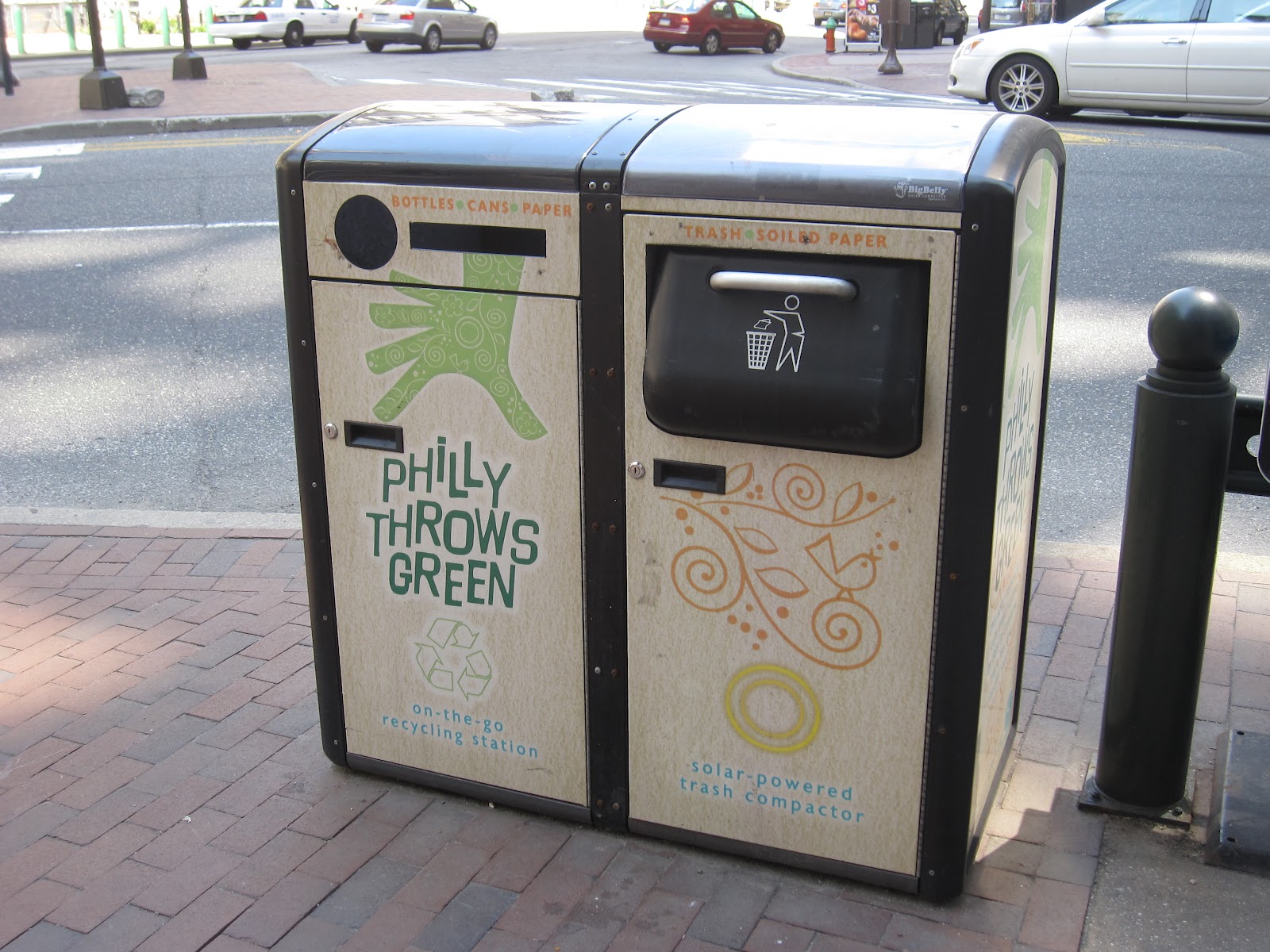
To improve comfort and cleanliness at the school, there should be an increasing number of dust bins. 
When we look at classroom, school corridors and schoolyard, there papers, mineral water cops, straws, and napkin everywhere. The condition of unseemliness really hinders learning and teaching environment. They can be filled out with water coming from the rain. This can be placed for mosquito to spread out.
Anyway I notice that most of the students have responsibilities for their school environment. They put their litter on the proper place but some of them are not diligent enough to find the dust bins. The numbers of the dust bins in the school are not enough. More dust bins should be put beside each step, outside of the classrooms and some along of the corridors. Probably one dust bin should be in every ten meters. So when students want to throw away their litters, they can find the dust bins easily.


When school is equipped with sufficient dust bins, students do not have problem of discomfort any more. So provide more dust bins and school will be very clean and become a very nice place to study.

Population growth, changing consumption patterns and lifestyles of people has increased the amount of waste generation, types, and diversity characteristics of the waste. The increased purchasing power of different types of basic goods and the technology as well as increased business or activities supporting economic growth in an area also contributed greatly to the quantity and quality of waste generated.The increasing volume of waste requiring management. Do not use the waste management methods and techniques that are environmentally friendly waste management but would be a negative impact on health will also interfere with the preservation of the environment very well lingkungam settlements, forests, fields, rivers and oceans.
Under Law No. 18 In 2008, the remaining waste is everyday human activities and / or solid form of natural processes. Waste management is an activity meant a systematic, comprehensive, and include the reduction and sustainable waste management. Based on the physical and chemical properties of waste can be classified into: 1) there is an easy to decompose waste consists of organic waste such as leftover vegetables, meat offal, leaves, etc., 2) are not easily decompose garbage such as plastic, paper, rubber, metal, the rest of the building materials and others, 3) waste in the form of dust / ash, and 4) hazardous waste (B3) for health, such as garbage comes from industries and hospitals that contain chemical substances and dangerous disease agents.
To achieve a clean and green city, the government has launched various programs which basically aims to encourage and enhance community capacity in waste management. Adipura program in 2007 for example has been able to bring into the Province of Bali Province Adipura for all counties and cities in Bali has managed to get Adipura Award. Although it has received Adipura not mean there are no problems of waste, and the government's appreciation of the community is always required to do so in turn the waste management of waste can be processed independently and be a resource. Looking at the above phenomenon is very necessary waste management model is good and right in an effort to bring urban and rural areas are clean and green in the province of Bali.


II. INFLUENTIAL FACTORS IN WASTE MANAGEMENT
Waste management aims to improve public health and environmental quality and make the waste as a resource. From the standpoint of environmental health, waste management is considered good if the waste does not become breeding grounds for germs media as well as the waste is not an intermediary medium spread of a disease. Other requirements to be met, that does not pollute air, water and soil, are not causing the smell (do not disturb the aesthetic value), does not cause fires and the other (Aswar, 1986).
The increasing volume of waste generated by urban communities can be seen from the city of Denpasar, that in 2002 the average production of about 2114 m3/day waste originating from household waste, household-like waste, and waste-specific.In a period of 4 years, ie 2006, the amount of waste production has increased to 2,200 m3/day (Tim Denpasar City Sanitation, 2007). Meanwhile, the lack of knowledge, awareness, and community participation in waste management becomes a problem that needs attention in the management of clean and healthy environment.
Factors that affect waste management include: (1) social-political awareness and commitment regarding the government's budget to determine the budget for environmental management (waste), public decision making in waste management and education, counseling and skills training to increase awareness and community participation in waste management, (2) Social Aspects of Demography, including socio-economic (tourism activities, markets and shops, and household activities, (3) Social and Cultural Rights concerning the existence of interactions between institutions village / traditional, customary rules (awig- awig), ritual (ceremonial / religious), the space structure of Tri Mandala, a genuine spirit of social service, mental attitude and behavior of citizens were apathetic, (4) the existence of waste land for the shelter, (5) finance (finance), (6) the existence of non-governmental organizations (NGOs), and (5) coordination between institutions involved in the prevention of environmental problems (waste).
Urban waste management also has the driving factors and inhibitors in an effort to increase community participation in waste management. According to the research Nitikesari (2005) these factors include educational level, the placement of the trash in the house, the presence of scavengers, the action of hygiene, lack of legislation on waste and enforcement. Urban level of public participation (Denpasar) in dealing with waste on their own are still in the category of moderate to low, people are still reluctant to waste segregation.
Waste is increasingly difficult to manage, so in addition to public awareness and involvement, technology development and waste management model is an alternative attempt to maintain a healthy and clean environment and may provide other benefits.
III. CURRENT CONDITION OF WASTE MANAGEMENT
Based on data SLHD Bali (2005) it appears that at present difficult to manage waste for many reasons, among others:
a. Rapid development of technology, faster than society's ability to manage and understand porsoalan waste,
b. Menigkatnya level of living, which is not accompanied by a harmony of knowledge of the waste
c. Increased operational costs of waste management
d. Waste management is inefficient and does not really cause problems of air pollution, soil, and water and decrease the aesthetic
e. Inability to maintain the goods, low quality technology products that will speed up as litter.
f. Increasingly difficult to get land as a waste disposal site ahir.
g. Increasing number of people who objected to the region was used in a landfill.
h. The difficulty of storing the waste quickly decay, because the weather is hot.
i. The difficulty of seeking public participation to dispose of waste in place and maintain cleanliness.
j. Inadequate financing, given that until recently most of waste managed by the government.
Waste that has been done is the collection of waste from sources such as from the public (households) and public places are collected at the polling stations have been provided. Subsequently transported by truck to a landfill equipped nets. For areas that have not got the transport service given the limited facilities and infrastructures have been carried out in self-managed waste management with the help of some kind of transportation facilities. For businesses or activities which produce more than 1 m3/day waste transported by the employer or in cooperation with other parties such as the village / village or private parties. Waste management of waste resources in a way that is quite effective.
Some businesses that have taken place in the landfill to reduce waste volume, as has been done by scavengers for sorting recyclable waste. It was a livelihood to earn. Against perishable waste composting efforts have been made. But the effort still leaves waste that must be managed in a high cost and large estates. Handling of residual waste in the landfill is still a good way to incinerator combustion or burning in the open dumping and open to decay naturally. This poses new problems for the environment, the pollution of soil, water, and air.
Waste management in the future need to consider things like:
A. Preparation of the Regulations (regulation) on waste segregation
2. Socialization of the formation of waste-free area, such as tourist attractions, markets, terminals, protocol roads, villages, etc.
3. Ranking hygiene for public areas
4. Put pressure on the producer and consumer goods for production and consumption patterns are more environmentally friendly
5. Put pressure on manufacturers to be willing to draw (buy) back from the public on the packaging of products it sells, such as plastic packaging, bottles, alluminium foil, and others.
6. Enhancement of community through small-scale waste management, can be started from the village / village or district, including the use of technology in terms of recycling, composting, and use incenerator.
7. Increasing the effectiveness of the functions of the TPA
8. Driving the transformation (shift) consumption patterns to favor products that come from recycling.
9. Waste management and waste in an integrated
10. To coordinate with relevant agencies at both central and local, NGOs, universities to increase the management capacity of municipal waste
11. Evaluating and monitoring issues and waste management, landfill conditions of the environmental aspects, the development of the application of environmentally friendly technologies
12. Optimization of funding in urban waste management, waste management system development funding
13. Consistency of implementation of legislation on waste and the environment.
14. Improve self-management efforts, especially waste handling waste easily broken down at the village / village
15. Provide facilitation, encouragement, mentoring / advocacy to the public in an effort to improve waste management.
The city of Denpasar, Badung, Gianyar and Tabanan has been cooperating in an integrated waste management business-oriented technology. Waste management approach to waste management technology is expected to more rapid, effective and efficient and can provide other benefits